Middle Eastern cuisine involves the use of tasty flavors, spicy and aromatic ingredients, and cooking traditions that are deeply entrenched in the culture. One of the ingredients commonly used in Middle Eastern cuisine includes Levantine za'atar, which is a mix of spices that has been consumed by many people in the Levant area for many years. The taste of Levantine Zaatar is so unique and can add traditionalism to any modern recipe.
For the sake of ensuring the maintenance of the distinct tastes and cultures of their foods, Levantine Foods incorporates traditional Mediterranean ingredients into their recipes. Levantine zaatar is one of the most important ingredients for any kitchen that aims at recreating Middle Eastern cuisine.
What Is Levantine Zaatar?
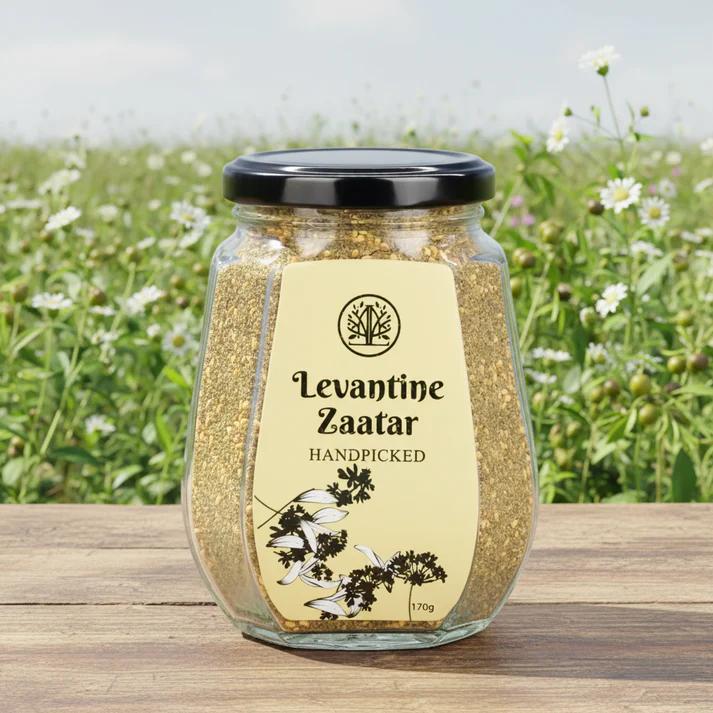
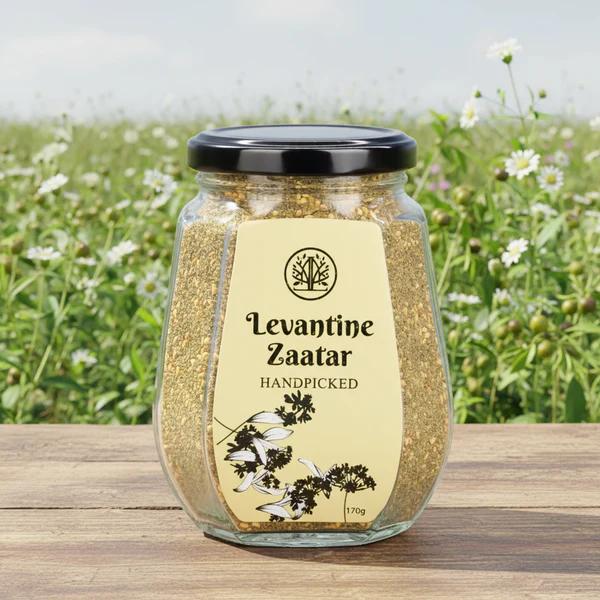
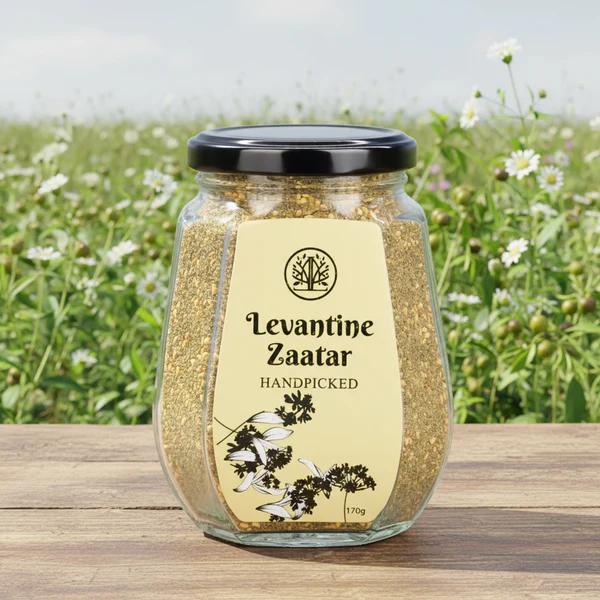
Thyme, oregano, sumac, sesame seeds, and salt are common ingredients that are regularly added to the Levantine spice mix Zaatar. The flavor always combines an earthy note of herbs with the citrus note of sumac and the rich aroma of sesame seeds, while some regional varieties of this spice may also include marjoram or other aromatic herbs. This versatile flavor has been widely used for many years in the cooking of Middle Eastern countries as part of Levantine cuisine. This powerful yet balanced flavor will enhance virtually any food product, such as breads, meat, vegetables, dips, and even breakfast meals. Fresh herbs and spices are an integral part of everyday cooking in countries such as Lebanon, Palestine, Syria, and Jordan.
The Importance of Authentic Ingredients
Quality Ingredients Are Paramount to Traditional Middle Eastern Cooking.It is the combination of fresh herbs, olive oil, spices, and seasonings that makes the cuisine what it is. The taste and aroma can be heightened through the use of authentic Levantine Zaatar. Authentic zaatar should contain the distinct reddish-purple color of sumac, a fresh herb smell, and sesame seeds. Inferior mixtures of za'atar could possibly lack richness in flavor due to excessive salt content and other fillers, which may detract from the balance and freshness of the herbs.
Making Traditional Manakish
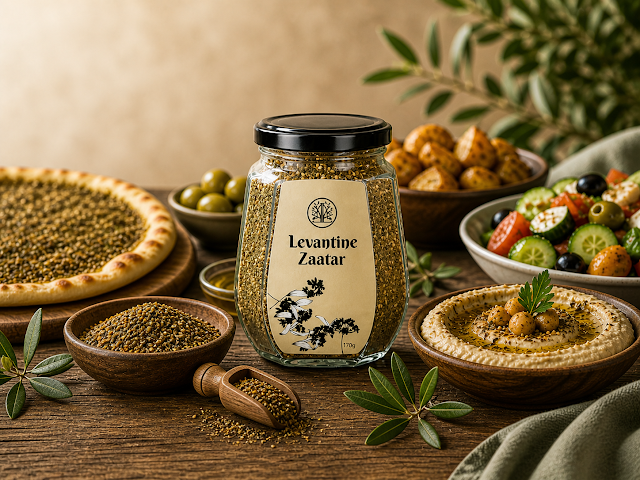
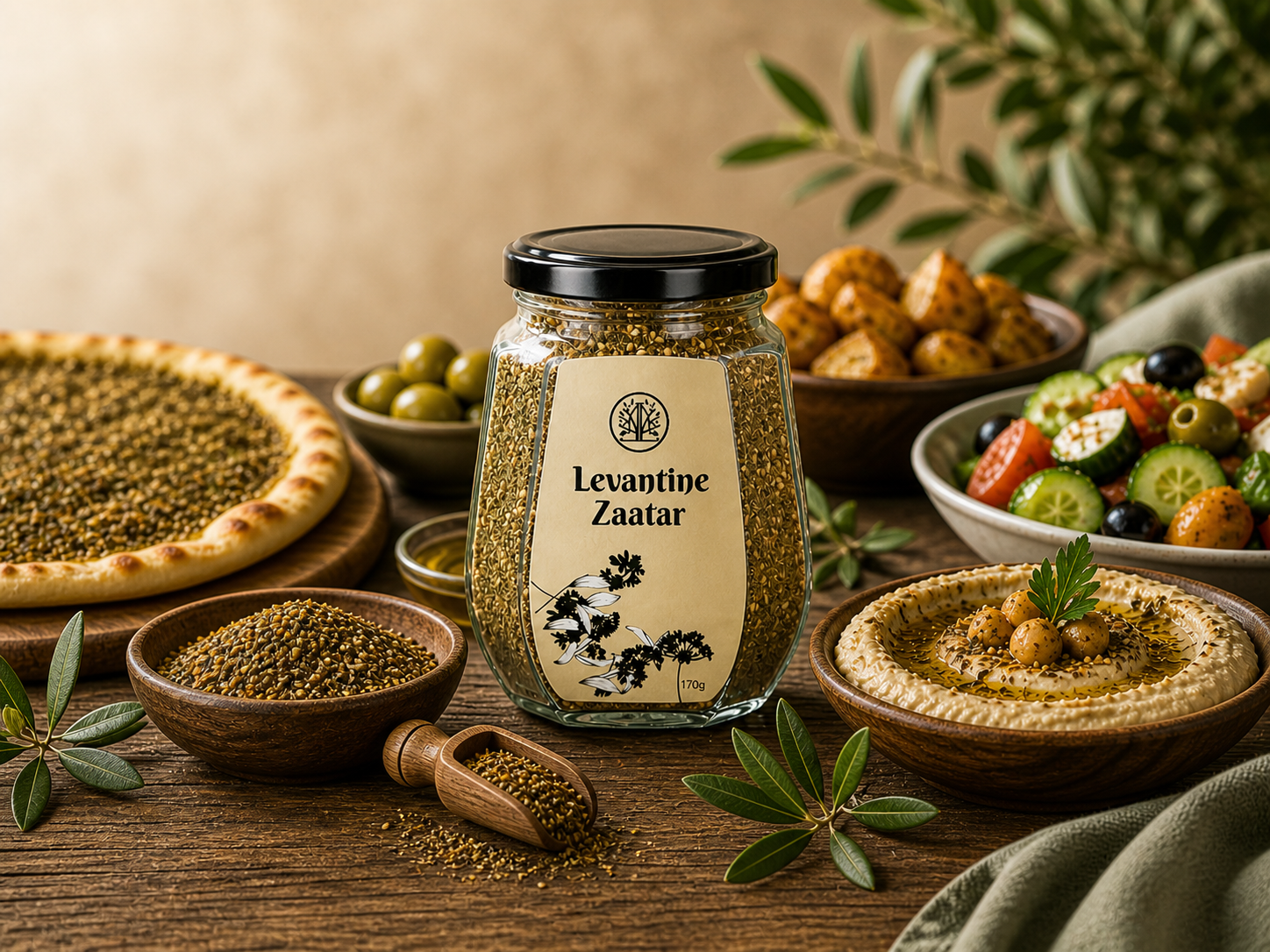
The best way to savor the Levantine zaatar is through manakish, which is a traditional flatbread that is usually eaten during breakfast and lunch. Manakish requires the mixing of zaatar with olive oil to form a tasty paste, which is then smeared on dough prior to baking. The end product will be a warm flatbread with aromatic edges and a rich herbal taste. The addition of olive oil makes the flatbread smell more fragrant, and the use of sumac makes the bread more tangy, making it an excellent pairing with the bread. Manakish, accompanied by veggies, olives, and tea, forms a traditional Middle Eastern comfort meal.
Using Zaatar as a Marinade
Levantine Zaatar is equally as good as a rub for meat and seafood. Mix za’atar with olive oil, garlic, and lemon juice to marinate chicken, lamb, beef, and fish. The herbs bring earthiness to the meat, while the acid from the sumac enhances the flavors. Za’atar also provides an aromatic outer layer when used to grill or roast food. It represents all that is wonderful about Middle Eastern cooking. One of the best preparations using za’atar is roasting chicken with za’atar and olive oil.
Elevating Roasted Vegetables
Zaatar complements roasted vegetables well. When the vegetable is being roasted, the zaatar herbs are readily absorbed into the potatoes, carrots, cauliflower, eggplants, and zucchini. A rich layer of flavoring comes out of combining the olive oil with the zaatar herbs since the mixture caramelizes while being roasted in the oven. The combination of the traditional herb blends makes even ordinary vegetables extremely flavorful and restaurant-quality. A small amount of zaatar can be added after roasting to add aroma.
Authentic Middle Eastern Dips and Spreads
A lot of traditional Middle Eastern dips and spreads pair excellently with Levantine Zaatar. When being served, these dips and spreads are often topped with lots of zaatar and olive oil. The creaminess of these meals gets accentuated with the help of the spice blend, which adds another layer of herbal taste to them. One of the best ways to consume these meals is as a snack with warm pita bread.
Incorporating Zaatar Into Rice and Grain Dishes
Another brilliant way that zaatar could be used when preparing meals is on grains. Adding flavor to the meal is easy with just a sprinkle of this spice blend on dishes such as bulgur wheat, couscous, quinoa, or even rice pilaf. The sesame seeds provide texture, whereas the herbs provide earthiness to pair with the grains. Zaatari also works well in making a hearty Mediterranean dinner with some grain, roasted vegetables, and olive oil.
Using Zaatar for Modern Fusion Cooking
Levantine Zaatar works wonders in fusion dishes despite having an old-fashioned background. People love using it to flavor foods such as avocado toast, roasted nuts, sandwiches, eggs, and even homemade popcorn. The balanced taste can easily be combined with contemporary recipes yet retain its Middle Eastern flavor. Due to its versatility, the spice is becoming increasingly popular around the world. One simple way of adding genuine Mediterranean flavor to ordinary foods is through Levantine Zaatar.
Health Benefits of Levantine Zaatar
In addition to its delicious taste, zaatar is made up of herbs and spices that promote a healthy lifestyle and proper nutrition. Some of the antioxidants and minerals found in such plants as sesame seeds, oregano, thyme, etc., help in developing good cooking habits. It minimizes the need for excessive use of salt and other flavor enhancers because it offers a strong taste. The Mediterranean diet, which includes eating healthy foods, becomes more significant when zaatar is used along with olive oil and other ingredients.
Final Thoughts
Some of the methods that may be used to explore the culinary culture of the Levant include cooking real dishes of the Middle East, including Levantine Zaatar. The spices will add some great texture, aroma, and taste to your food, whether they are traditional dishes such as manakish or even more versatile ones such as roasts and dips. This is because these spices are very vital for Mediterranean cuisine. Levantine Zaatar provides unlimited opportunities when it comes to preparing mouth-watering dishes.



Write a comment ...