
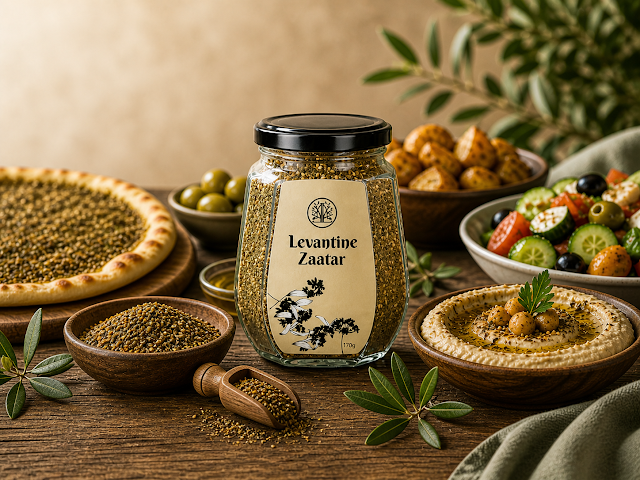
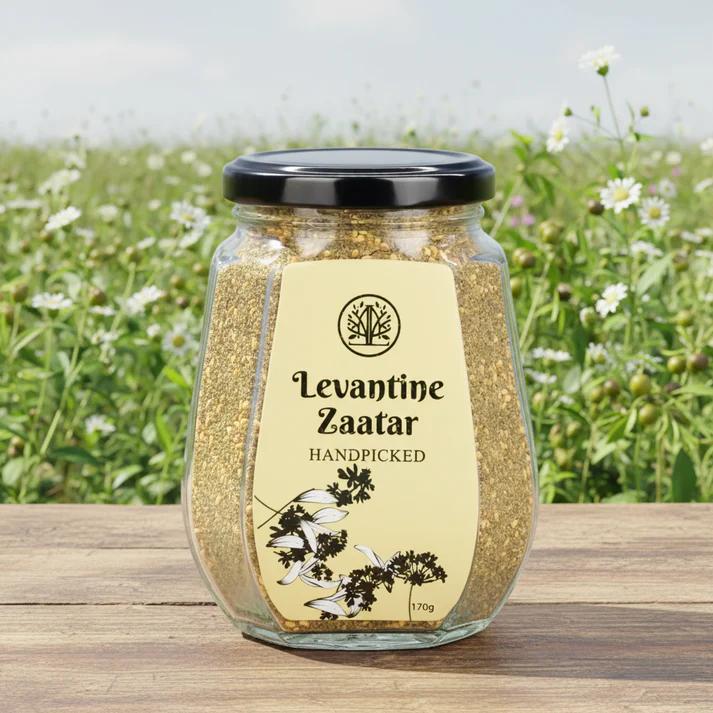
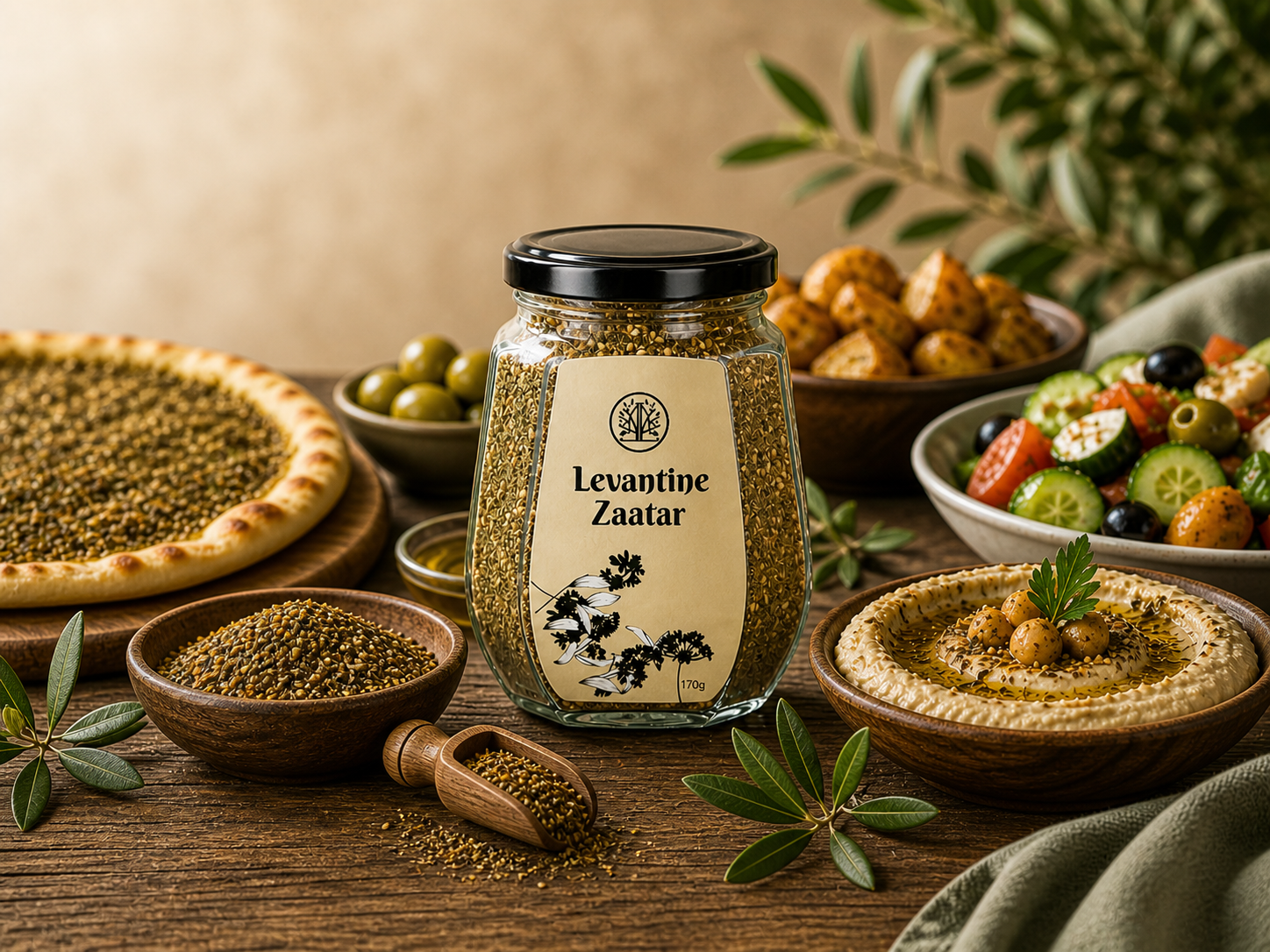
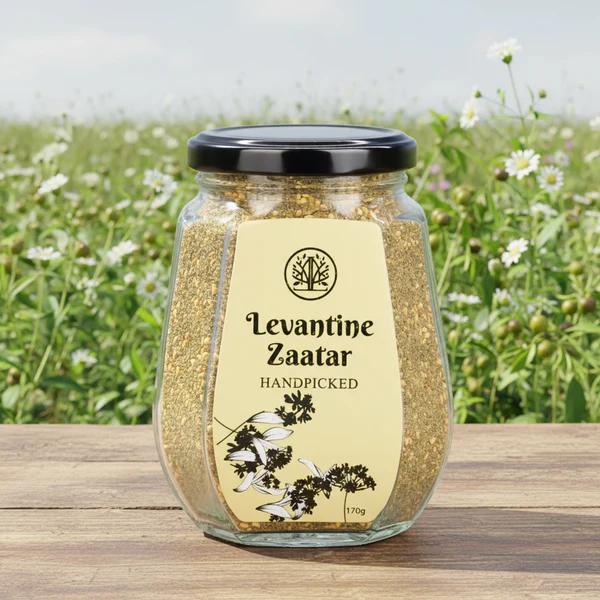
There is a long culture associated with the production of spices in the Middle East. An illustration of this is the za'atar, which is a type of spice blend manufactured by Levantine goods. Zahtar is a blend of spices that has been made using the traditional processes used many years ago. The significance of zahtar is mainly nutritional and taste-wise.
The Cultural Importance of Zaatar
Zaatar is not only an assortment of spices; for Levantine culture, zaatar represents their distinct culture. People have had the practice of consuming zaatar for hundreds of years, usually in conjunction with bread and olive oil. Each family has its own version of zaatar that has been passed down to them by their ancestors, thereby rendering it representative of their cultural heritage and practices. Since each mouthful of handmade zaatar carries within it its history and culture, it becomes unique in comparison to any other product.
Sourcing High-Quality Ingredients
The first thing that must be done in the process is the selection of high-quality raw materials. For preparing authentic zaatar, sumac, sesame seeds, wild thyme or oregano, and a little bit of salt are usually required. To maintain the authenticity and freshness of the raw materials, they are often sourced from local vendors. As far as herbs are concerned, farmers collect them at an appropriate time so that their flavor and fragrance are maintained.
Natural Drying of Herbs
After harvesting, the plants undergo cleaning and are then left to dry naturally. It is through the process of drying that their taste and nutrient value can be maintained. The traditional method of drying involves using a period of many days where the drying process takes place in a shaded environment, unlike industrial methods of drying, which utilize heat. The aromatic properties of the plants remain intact, and their essential oils are preserved.
Roasting Sesame Seeds
Zaatar becomes crunchy and has an almost nutty taste because of the sesame seeds. The sesame seeds used in zaatar are usually roasted in order to extract their natural taste. As overheating may lead to bitterness, this step should be carried out very carefully. The herbal, earthy taste along with the sourness of sumac is nicely balanced with well-toasted sesame seeds.
Grinding and Blending by Hand
The traditional method of grinding is applied when mixing all prepared components. Herbs are often ground with the help of stone mortars or manually while mixing them with sumac and sesame. These components will blend properly without losing their flavor due to this careful process. Graininess is another characteristic of zaatar that should not be neglected; hence, hand-blending is recommended.
Preserving Authentic Flavor and Purity
One other element essential for this food item is purity. There are no chemical additives used in any way. Consequently, the composition is pure, and the flavor is preserved. Roasted sesame, sour sumac, and wild herbs form a combination that provides an incomparable taste that can never be replicated industrially.
Storage and Freshness
Quality maintenance of zaatar needs to be done in a manner that will preserve the product. The product is supposed to be stored in cool and dry places that ensure that it is not exposed to moisture or air. This helps maintain its flavor, taste, and aroma for longer periods.
Importance in Modern Markets
There is an increasing demand for authentic food products in the modern era. Due to the unique authenticity and high-quality nature of homemade zaatar compared to factory-made zaatar, there is an increase in the demand for it. The importance of authentic zaatar is gaining momentum because people have started demanding food products that not only carry cultural significance but are also healthy. People prefer living a healthy lifestyle and eating clean food products that are authentic and natural in nature.
Conclusion
The process of manufacturing Levantine handpicked zaatar according to traditions is associated with great respect towards the authenticity and quality of the spice. In particular, it includes precise harvesting and drying of ingredients, roasting of all zaatar components, and mixing of the mixture by hand to get a flavorful and wholesome spice mixture. The quality zaatar, which can be distinguished from other types due to its purity and flavor, is made using such an approach. The decision to choose zaatar means experiencing a centuries-old culture that still has much to offer to its consumers.


Write a comment ...